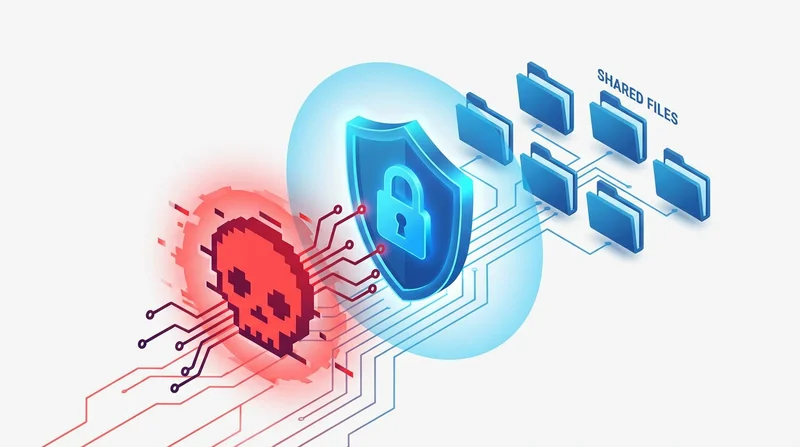
Ransomware attacks can encrypt your files and demand payment for recovery. For file sharing systems containing important business data, ransomware protection is critical. This guide covers prevention and recovery strategies.
Understanding Ransomware Threats
How Ransomware Spreads
- Phishing emails – Malicious attachments or links
- Infected websites – Drive-by downloads
- Compromised software – Malware in updates or downloads
- Network spread – Spreading from one infected computer to others
What Ransomware Does
- Gains access to system
- Encrypts files (including cloud-synced files)
- Demands ransom payment
- May threaten data exposure
Prevention Strategies
1. Security Awareness
Train employees to recognize:
- Suspicious emails and attachments
- Phishing attempts
- Unusual system behavior
2. Strong Authentication
- Enable 2FA on all accounts
- Use strong, unique passwords
- Don't reuse credentials
3. Software Updates
- Keep operating systems updated
- Update all applications promptly
- Enable automatic updates where possible
4. Email Security
- Use email filtering
- Block dangerous attachment types
- Be cautious with unexpected attachments
5. Network Security
- Use firewalls
- Segment networks to limit spread
- Monitor for suspicious activity
Backup Strategy
Backups are your best ransomware recovery option:
The 3-2-1 Rule
- 3 copies of data
- 2 different storage types
- 1 offsite/offline
Backup Best Practices
- Regular automated backups
- Test restore procedures
- Keep offline backups (air-gapped)
- Maintain backup versioning
See our backup strategy guide.
Cloud File Sharing Protection
Advantages
Cloud services like GetShared have built-in protections:
- Professional security teams
- Regular security updates
- Version history for recovery
- Isolation from local infections
Risks
- Sync can propagate encrypted files
- Compromised credentials give access
Mitigation
- Use 2FA to prevent credential compromise
- Maintain version history
- Monitor for unusual activity
If You're Attacked
Immediate Steps
- Disconnect affected systems from network
- Don't pay – No guarantee of recovery
- Report to law enforcement
- Assess scope of infection
Recovery
- Clean infected systems
- Restore from backups
- Change all credentials
- Review and improve security
Conclusion
Ransomware protection requires:
- Prevention through security practices
- Strong backup strategy
- Quick response if attacked
- Never paying ransom
See also: breach prevention, security best practices.