When you upload files to the cloud, where do they go? Who can see them? Understanding cloud storage privacy is essential for making informed decisions about your data. This guide explains how privacy works in cloud storage and how to maximize yours.
The Privacy Landscape
Not all cloud storage is equally private. Key questions:
- Who holds encryption keys?
- What does the provider do with your data?
- Who can access your files?
- What happens to data after deletion?
- Where is data physically stored?
Understanding Encryption Types
Server-Side Encryption (Most Services)
How it works:
- You upload file
- Provider encrypts it using their key
- Provider stores encrypted file + key
Privacy implications:
- Provider can decrypt and read files
- Employees with access could view data
- Legal requests can compel decryption
- Breach of key management exposes everything
End-to-End Encryption (GetShared)
How it works:
- Your device generates encryption key
- File encrypted on your device
- Only encrypted data sent to provider
- Provider never has key
Privacy implications:
- Provider cannot read files
- Legal requests receive only encrypted data
- Breach doesn't expose content
- Maximum privacy by design
Learn more in our end-to-end encryption guide.
Provider Data Practices
What Providers May Do
- Content scanning – For illegal content, policy enforcement
- Metadata collection – File names, sizes, access times
- Analytics – Usage patterns, aggregated insights
- Advertising – Data used for ad targeting (Google)
- AI training – Content used to improve algorithms
GetShared's Approach
- No content scanning (can't – files encrypted)
- Minimal metadata collection
- No advertising business
- Data never used for AI training
- Clear privacy policy
Legal Access to Your Data
How Legal Requests Work
Governments can request data through:
- Subpoenas
- Court orders
- Warrants
- National security letters (US)
What Different Providers Can Provide
| Provider | Can Provide |
|---|---|
| Server-side encryption | Decrypted file contents, all metadata |
| E2E encryption (GetShared) | Only encrypted data (unusable without key), limited metadata |
Physical Data Location
Why Location Matters
- Different countries have different data laws
- Some jurisdictions have weaker privacy protections
- Data transfers across borders have requirements (GDPR compliance)
GetShared Data Residency
Options available:
- Global – Optimized locations for performance
- EU – Data stays within European Union
- US – Data stays in United States
- Custom – Enterprise options for specific requirements
Account Privacy
What You Share When Signing Up
- Email address (required)
- Name (optional)
- Payment info (for paid plans)
Minimizing Your Footprint
- Use a privacy-focused email for signup
- Don't provide optional information
- Use anonymous payment methods where available
Protecting Your Privacy
Technical Measures
- Use E2E encryption – GetShared provides by default
- Enable two-factor authentication – Prevent account takeover
- password-protected sharing – Protect shared files
- Consider file names – Metadata includes names
Operational Practices
- Regularly review what you've stored
- Delete files you no longer need
- Audit your share links (link expiration)
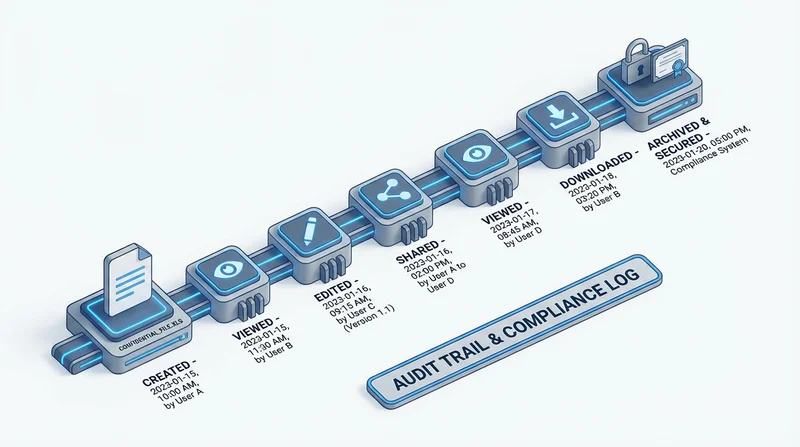
- Review account access logs
Privacy vs. Convenience Tradeoffs
When More Privacy Costs Convenience
- E2E encryption may prevent some features (server-side search)
- No password recovery if you lose E2E keys
- Some integrations may require data access
GetShared's Balance
We've designed for privacy without sacrificing usability:
- E2E encryption is transparent
- Key included in share links (recipients don't need accounts)
- Full-featured with privacy default
Privacy Comparison
| Aspect | GetShared | Typical Provider |
|---|---|---|
| Encryption | E2E (you hold keys) | Server-side (they hold keys) |
| Content access | Impossible | Possible |
| Metadata | Minimal | Extensive |
| Business model | Subscriptions | Often ads + data |
| Legal requests | Encrypted only | Full content |
Your Privacy Rights
Under GDPR compliance and similar laws, you have rights:
- Access – See what data is stored about you
- Erasure – Request deletion of your data
- Portability – Export your data
- Objection – Opt out of certain processing
GetShared makes exercising these rights simple through account settings.
Conclusion
Privacy in cloud storage depends primarily on encryption architecture. With end-to-end encryption, GetShared provides the strongest privacy protection available – your files remain truly private, accessible only to you and those you choose to share with.
Ready for private cloud storage? sign up for GetShared and experience cloud storage built for privacy.