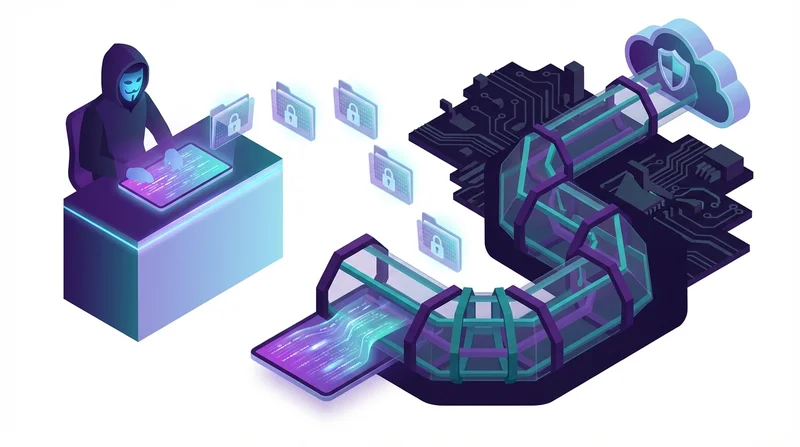
While most file sharing identifies the sender, there are legitimate situations where anonymity is important or necessary. Whether you're a journalist protecting sources, a whistleblower reporting wrongdoing, or simply someone who values privacy, understanding anonymous file sharing is valuable.
When Anonymous Sharing Is Appropriate
Legitimate Use Cases
- Journalism – Protecting source identity is fundamental to press freedom
- Whistleblowing – Exposing wrongdoing while protecting yourself from retaliation
- Political activism – Organizing in environments where dissent is punished
- Legal matters – Sharing evidence anonymously with attorneys
- Personal privacy – Sharing without revealing identity in appropriate contexts
When It's Not Appropriate
- Illegal content – Anonymity doesn't make illegal sharing legal
- Harassment – Anonymous harassment is still harassment
- Business use – Normal business should be transparent
- Evading accountability – For legitimate actions, own them
Understanding Digital Identifiers
When sharing files normally, various identifiers can reveal your identity:
Account Information
- Email address
- Name on account
- Payment information
Network Information
- IP address (reveals approximate location and ISP)
- Browser fingerprint
- Cookies and tracking data
File Metadata
- Author information in documents
- GPS coordinates in photos
- Camera serial numbers in images
- Creation/modification times
Methods for Anonymous Sharing
Method 1: No-Account File Sharing
GetShared allows file sharing without creating an account. This eliminates account-based identification.
However, without additional measures, IP addresses are still logged.
Method 2: VPN or Tor
To hide your IP address:
- VPN – Masks your IP, but VPN provider knows your identity
- Tor Browser – Routes traffic through multiple relays, much harder to trace
For true anonymity, Tor is more effective but slower.
Method 3: Metadata Removal
Before sharing files anonymously:
- Remove document metadata (author, comments, tracked changes)
- Strip EXIF data from images (location, camera info)
- Use generic file names
- Consider converting to neutral formats (e.g., text to plain text)
Method 4: Dedicated Anonymous Services
Some services are specifically designed for anonymous sharing:
- OnionShare – Creates temporary onion sites for file sharing
- SecureDrop – For whistleblowers to contact journalists
Operational Security Tips
Compartmentalization
- Don't use your regular browser or device
- Don't access from your regular network
- Don't link anonymous activities to your identity
Timing
- Avoid patterns that could identify you
- Don't share immediately after accessing source material
- Consider time zone implications
Content
- Don't include personal details in messages
- Be aware of writing style analysis (stylometry)
- Verify no identifying information in files
Receiving Files Anonymously
If you want to receive files anonymously (e.g., journalists):
- Dedicated tips addresses – Separate from personal accounts
- SecureDrop – Standard for newsrooms
- Public keys – Allow encrypted submission
- Clear instructions – Help sources share safely
Limitations of Anonymity
No system is perfectly anonymous. Consider:
- Sophisticated adversaries can potentially trace even Tor traffic
- Human error is the most common anonymity failure
- Metadata leakage can reveal identity despite technical precautions
- Correlation attacks can link anonymous and identified activities
Legal Considerations
Anonymity Is Generally Legal
In most democratic countries, anonymous communication is legal. However:
- Illegal content is still illegal when shared anonymously
- Some jurisdictions restrict anonymity tools
- Anonymity may be limited in certain contexts
Workplace and Contractual Limits
- Employment agreements may restrict sharing company information
- NDAs remain binding even with anonymous sharing
- Legal protections for whistleblowers vary by jurisdiction
Privacy vs. Anonymity
Important distinction:
- Privacy – Your activity isn't visible to third parties, but the service knows your identity
- Anonymity – Your identity is unknown even to the service
Most people need privacy, not anonymity. GetShared provides strong privacy through encryption and security controls. For most use cases, this is sufficient.
When Regular Secure Sharing Is Better
For most situations, use normal secure file sharing:
- Business communication
- Personal file sharing
- Client deliverables
- Collaboration with known parties
Anonymous sharing is complex and has trade-offs. Use it only when genuinely needed.
Conclusion
Anonymous file sharing is a valid tool for specific situations – protecting sources, reporting wrongdoing, or exercising privacy rights. However:
- True anonymity requires careful technical and operational security
- Most people need privacy, not anonymity
- No system is perfectly anonymous
- Anonymous doesn't mean without consequences for illegal actions
For most file sharing needs, GetShared's secure file sharing with password protection and encryption provides appropriate privacy. Try it free.